The Amazing K Method

Communication Comes First

The First Principle of the Amazing K Method

One of the most important lessons we have learned during more than 13 years of autism early intervention is that communication and speech are not the same thing.


Many children communicate long before they speak.


They communicate through eye contact, gestures, pointing, facial expressions, body language, movement, sounds, behaviour, signs, pictures and alternative communication systems. Yet these forms of communication are often overlooked because they do not look like traditional speech.


At Amazing K, we believe communication comes first.
Principle 01

Before we teach, we must understand how the child is already communicating.

Before we can teach a child new skills, before we can develop independence, and before we can support meaningful participation in the world around them, we must first understand how that child is already communicating.


This is why communication forms the foundation of the Amazing K Method.

Communication Comes First

Children communicate in many ways before speech develops.

When adults learn to recognise communication in all its forms, children often become more confident communicators because they experience something incredibly powerful: being understood.

Recognise

We learn how a child communicates through gestures, sounds, movement, behaviour, signs, pictures and visual communication.

Respond

Every communication attempt needs someone willing to notice it, understand it and respond consistently.

Build

We build on existing communication skills instead of waiting for speech before supporting participation and independence.

We Listen With Our Eyes, Not Only Our Ears

Communication is not limited to words.


A child who points towards a cupboard may be requesting a favourite snack. A child who pulls an adult towards a door may be asking to leave a room. A child who looks repeatedly at a toy and then at a parent may be attempting to share an experience.

These are all forms of communication.


Many autistic children communicate physically and visually before they communicate verbally. Learning to recognise these early communication attempts allows us to build on existing strengths rather than waiting for speech to develop.


When adults learn to recognise communication in all its forms, children often become more confident communicators because they experience something incredibly powerful: being understood.

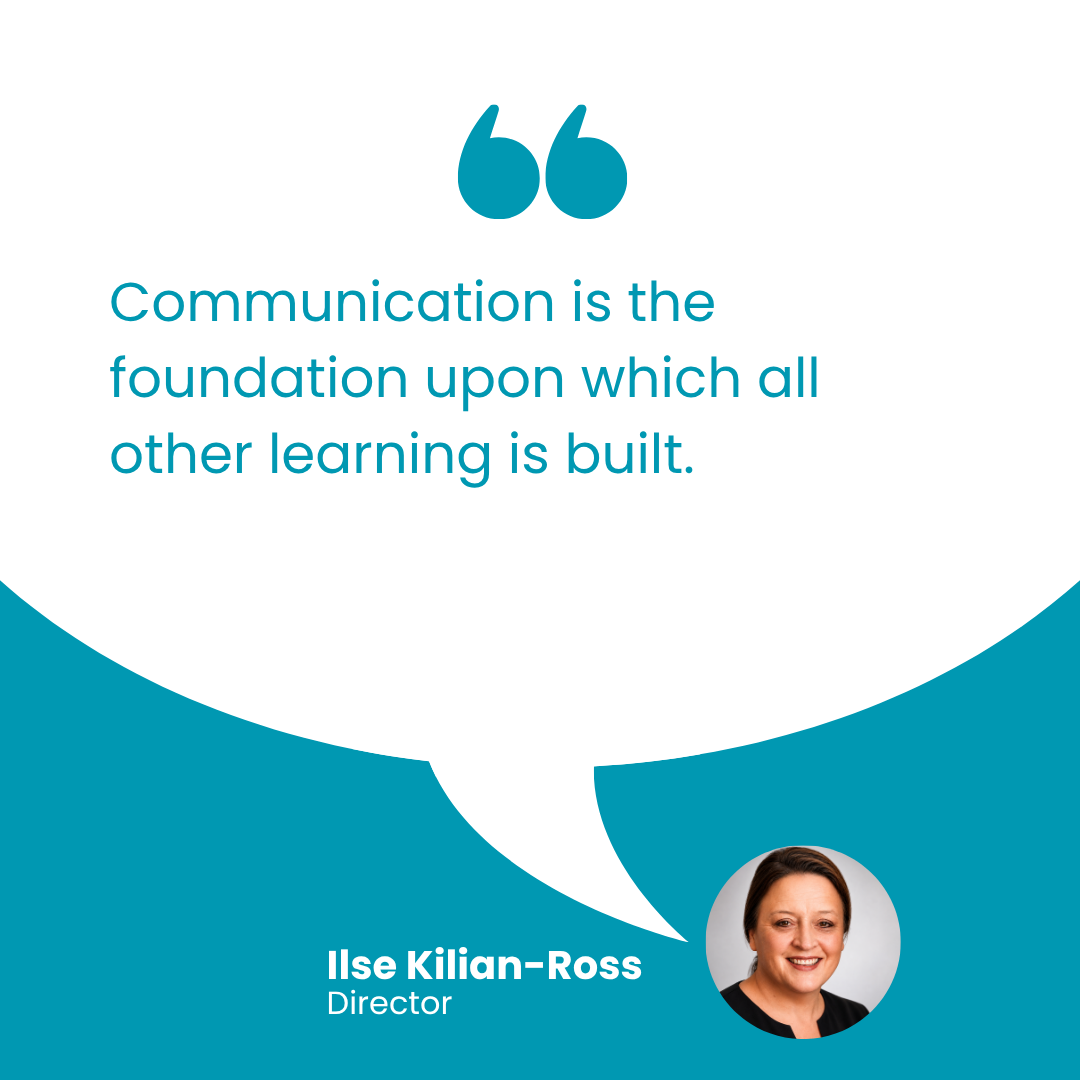
“Communication is the foundation upon which all other learning is built.”

Communication Partners Matter

Communication does not happen in isolation.


Every communication attempt requires someone who is willing to notice it, understand it and respond appropriately.


At Amazing K, every member of our team acts as a communication partner.

Notice

A communication partner learns how a child communicates and recognises non-verbal communication.

Respond

A communication partner responds consistently to communication attempts and gives children time to process and answer.

Create

A communication partner builds on existing communication skills and creates opportunities for meaningful interaction.

We have learned that the missing link is often not communication itself.


The missing link is whether somebody recognises the communication that is already taking place.


When children trust that their communication will be understood, they often become more willing to communicate again.


Trust creates confident communicators.

Behaviour Often Communicates Something

One of the most common misunderstandings surrounding autism is the belief that behaviour exists separately from communication.


In reality, behaviour often provides valuable information.


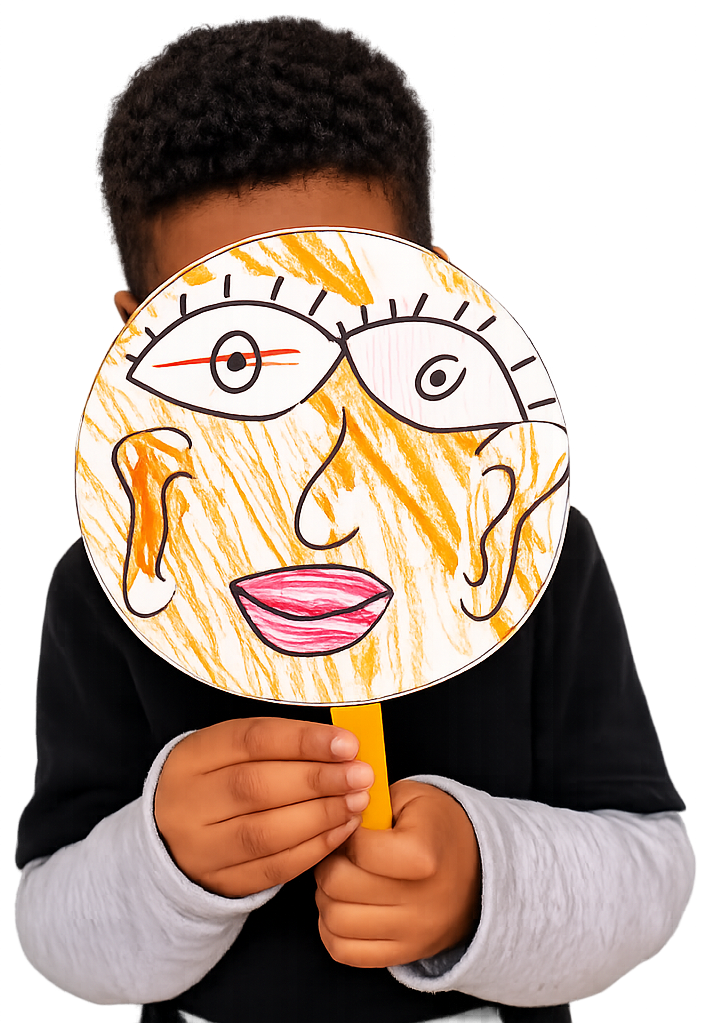
Boy with mask

Children use the communication tools available to them.


A child who screams may be communicating overwhelm. A child who pushes another child away may be asking for space. A child who cries may be communicating confusion, discomfort or anxiety.


This does not mean all behaviour should be accepted without boundaries. It does mean that understanding the message behind the behaviour is often more helpful than reacting only to the behaviour itself.


When communication improves, frustration often decreases.

Behaviour may communicate:

  • Overwhelm
  • A need for space
  • Confusion
  • Discomfort
  • Anxiety
  • Frustration
Understanding Stimming And Self-Regulation

Rather than immediately trying to stop these behaviours, we first seek to understand them.

When we understand why a child is stimming, we gain a better understanding of the child.

Emotional Regulation

Repetitive movements, sounds or behaviours may help a child regulate themselves throughout the day.

Useful Information

Stimming may provide information about excitement, anxiety, fatigue, sensory overload, anticipation or emotional regulation.

Understanding First

Understanding the reason behind a behaviour helps us understand the child more fully.

Communication Creates Independence

Many people believe speech creates independence.


We believe communication creates independence.

Independence develops when children can:

  • Make choices.
  • Request help.
  • Express preferences.
  • Indicate discomfort.
  • Participate in daily routines.
  • Communicate needs.

These abilities do not always require spoken language.


Waiting only for speech can sometimes delay opportunities for independence that are already available through other forms of communication.


Every form of communication has the potential to build independence.

AAC Gives Children A Voice Before Speech Develops

At Amazing K, we believe children should have access to communication from the very beginning of their journey.


For some children this may involve speech.


For others it may involve pictures, signs, communication devices or visual supports.


Augmentative and Alternative Communication (AAC) provides children with a way to communicate when speech is not yet available, difficult or unreliable.


AAC does not replace speech.


AAC supports communication.


For many children, AAC reduces frustration, increases participation and creates opportunities for learning that would otherwise be inaccessible.


Communication should never be delayed while waiting for speech.

AAC may include:

  • Pictures
  • Signs
  • Communication devices
  • Visual supports
  • Alternative communication systems

Communication Happens Throughout The Day

Communication is not something that happens only during a lesson or therapy session.


Communication opportunities exist throughout the day.

  • Arrival routines
  • Circle time
  • Play activities
  • Mealtimes
  • Toileting routines
  • Playground interactions
  • Group learning activities
  • Daily transitions

Every interaction creates an opportunity to strengthen communication skills.

What Parents Often Notice First

When communication begins to improve, parents often notice changes that extend far beyond language.

  • Reduced frustration.
  • Increased participation.
  • Better attention.
  • More confidence.
  • Improved independence.
  • Greater social interaction.
  • More meaningful engagement with family members.

Communication often becomes the foundation upon which many other developmental skills are built.

Communication Comes First

Communication supports learning, participation, independence, relationships and quality of life.

Children do not need speech to begin communicating. They need communication partners who are willing to recognise, respect and respond to the communication that is already taking place.

Start Your Amazing K Journey

When children feel understood, they are far more likely to engage, participate, learn and thrive.

At Amazing K, communication is not viewed as a single developmental goal.


It is the foundation that supports learning, participation, independence, relationships and quality of life.

Contact Amazing K