The Amazing K Method

Every Child Can Learn

The Seventh Principle of the Amazing K Method

Over more than 13 years of supporting autistic children and children with developmental delays, one belief has remained at the heart of everything we do.


Every child can learn.


Not every child learns in the same way.

Not every child learns at the same pace.

Not every child learns the same things at the same time.


At Amazing K, we do not begin by asking whether a child can learn.

We begin by asking how that child learns best.
Principle 07

Every child deserves the opportunity to learn, develop, participate and become the very best version of themselves.

Learning may look different.


Learning may happen at a different pace.


Learning may follow a different pathway.


But learning is always possible.

Every Child Can Learn

Learning is not limited by diagnosis.

Every child has strengths. Every child has challenges. Every child has the ability to grow when learning is matched to their individual needs.

Potential

Every child has the capacity to learn when we understand how they learn best.

Growth

Development happens through communication, participation, relationships and meaningful experiences.

Opportunity

Our role is to create opportunities for every child to succeed.

Learning Is Bigger Than Academics

When people hear the word learning, they often think about reading, writing, mathematics, colours, shapes and numbers.


These skills are important.


But learning is much bigger than academics.


Every day children demonstrate learning in hundreds of different ways.

Sometimes the most important learning cannot be measured by a worksheet or an assessment.

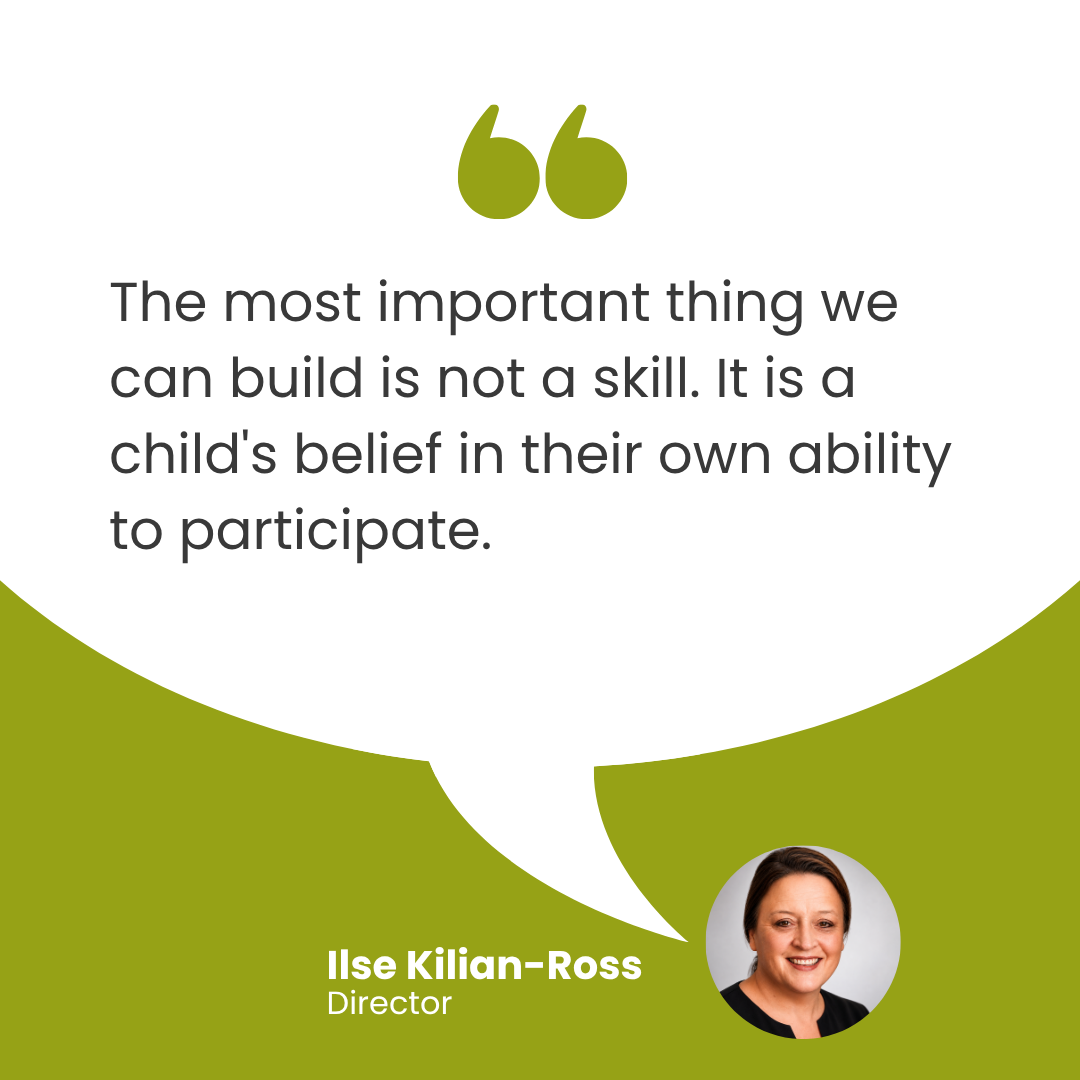
The most important thing we can build is not a skill. It is a child's belief in their own ability to participate.

Learning Happens In Everyday Moments

Daily Living

Learning to feed themselves.

Learning to use the toilet.

Learning to dress.

Participation

Learning to sit.

Learning to wait.

Learning to join a group.

Communication

Learning to point.

Learning to request.

Learning to trust another person.

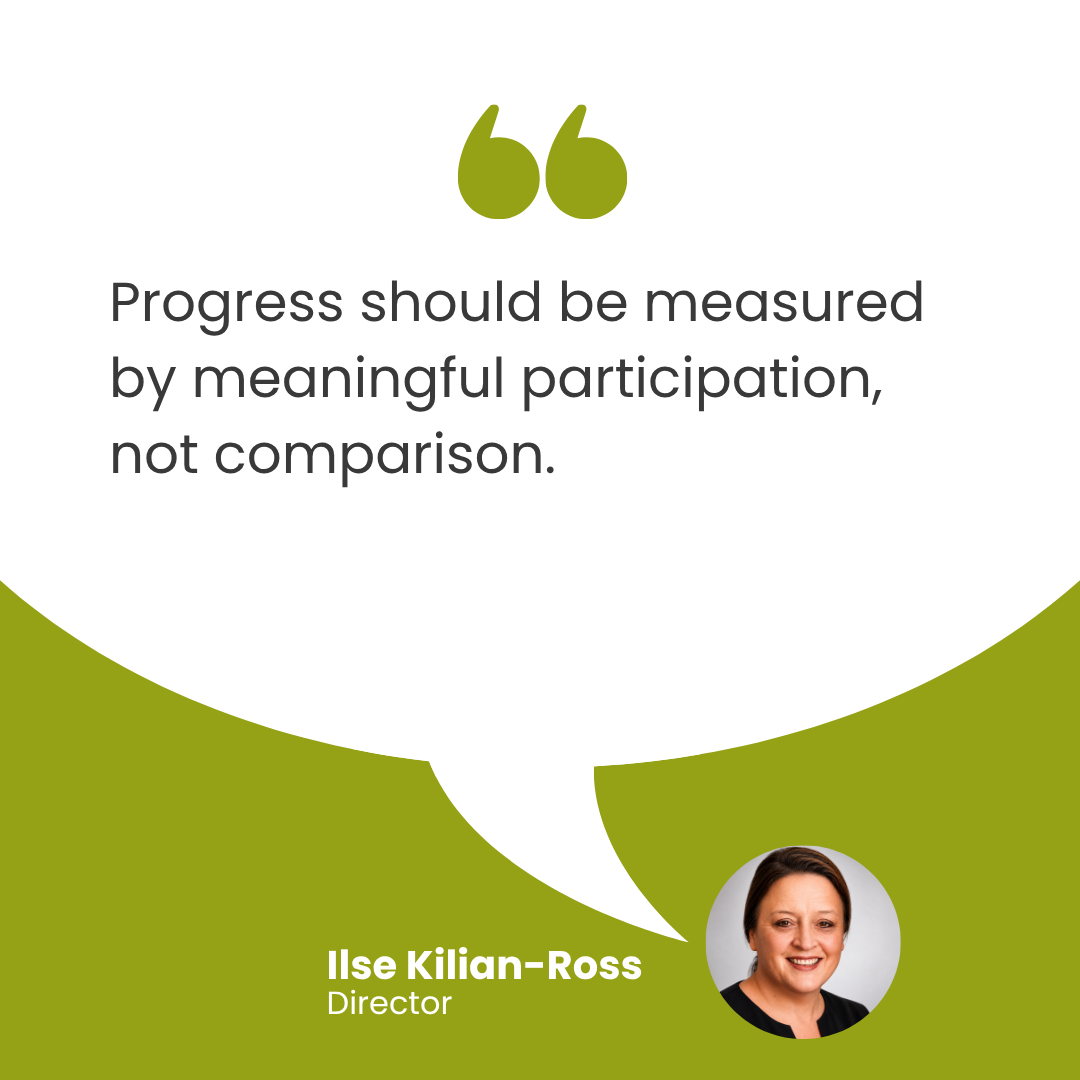
Progress should be measured by meaningful participation, not comparison.

We Often Look For The Wrong Evidence

Many developmental gains happen long before they become visible as academic achievements.


Before a child can answer questions they may first learn to listen.

Before a child can participate in a group they may first learn to sit.

Before a child can communicate verbally they may first learn to point.

Before a child can write they may first strengthen their hands.

Before a child can become independent they may first learn to trust.


When we only look for academic progress, we can miss the extraordinary developmental progress taking place underneath it.

Children, Not Diagnoses

We do not teach diagnoses. We teach children.

Every child has strengths, interests, relationships, fears, hopes and dreams that deserve to be understood.

Strengths

Every child arrives with strengths waiting to be developed.

Identity

Autism helps us understand a child.

It does not define their worth.

Potential

Our responsibility is to create opportunities for meaningful growth.

Anxiety Is Sometimes Mistaken For Inability

One of the most common mistakes adults make is assuming that a child cannot do something when, in reality, the child is anxious, overwhelmed or uncertain.


A child may understand an instruction but feel unable to respond. A child may know an answer but be too anxious to participate.


Sometimes the skill was there all along. The child simply needed the right conditions to demonstrate it.


When anxiety decreases, ability often becomes more visible.

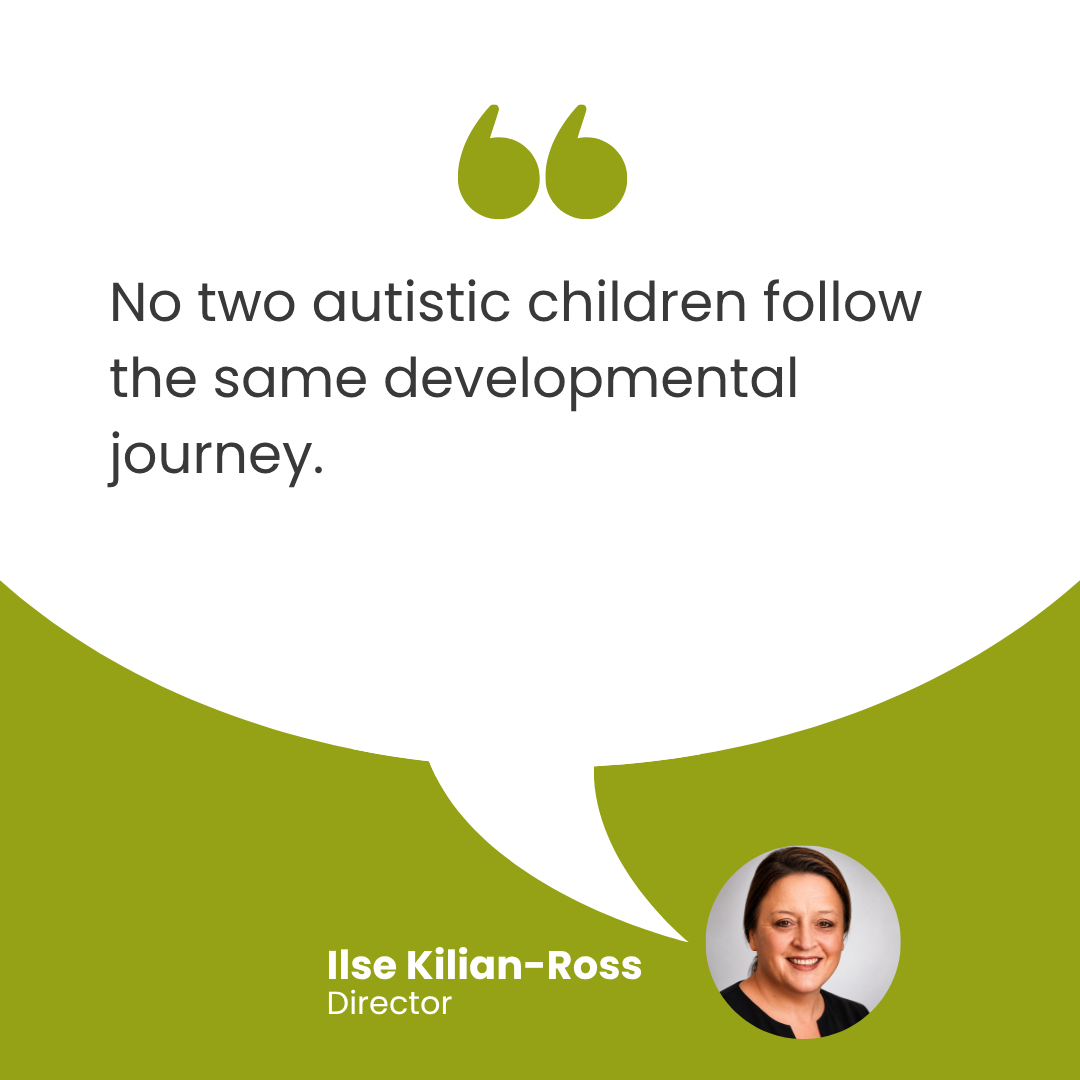
No two autistic children follow the same developmental journey.

Learning Is Not Always Linear

Learning rarely follows a straight line.


This is especially true for many autistic children. Parents often expect progress to look like a steady climb forward. In reality, development can be far more complex.


A child may take one step forward. Then one step sideways. Then one step backwards. Before suddenly taking two steps forward.


Skills may appear to disappear and then return stronger than before. Periods of slower progress may be followed by significant breakthroughs.


Progress is not always linear. But progress is still happening.

Progress may look like:

  • One step forward.
  • One step sideways.
  • One step backwards.
  • A quiet period of processing.
  • A sudden breakthrough.
  • A skill returning stronger than before.
Small Gains Matter

Small gains often lead to big changes.

Some of the most significant developmental changes begin with very small victories.

Communication

A child points for the first time, answers a question or uses a picture to request help.

Participation

A child waits for a turn, tolerates sitting in a group or transitions without distress.

Confidence

Small gains create momentum. Momentum creates confidence. Confidence creates participation.

What Parents Often Notice First

As learning becomes more accessible, families often notice changes that extend beyond the original goal.


These changes often demonstrate that learning is taking place even when academic progress is not yet the most visible outcome.

Parents frequently report:

  • Increased confidence.
  • Improved communication.
  • Greater independence.
  • Better participation.
  • Improved flexibility.
  • Increased curiosity.
  • More problem-solving.
  • Greater willingness to try new experiences.

Every Child Can Learn

At Amazing K, we believe every child has the capacity to learn.


Learning may look different. Learning may happen at a different pace. Learning may follow a different pathway.


But learning is always possible.


Our responsibility is not to decide whether a child can learn.


Our responsibility is to understand the child, recognise their strengths, support their challenges and create opportunities for meaningful growth.


Because every child deserves the opportunity to learn, develop, participate and become the very best version of themselves.

At Amazing K, we focus on:

  • Understanding the child.
  • Recognising strengths.
  • Supporting challenges.
  • Creating opportunities.
  • Building confidence.
  • Supporting meaningful growth.
The Amazing K Method

We do not begin by asking whether a child can learn. We begin by asking how that child learns best.
Not every child learns in the same way. Not every child learns at the same pace. Not every child learns the same things at the same time.


But every child can learn.

Start Your Amazing K Journey

Every child deserves the opportunity to learn, develop, participate and become the very best version of themselves.

At Amazing K, we work with children, not diagnoses.


We take the time to understand how each child learns best, then create opportunities for meaningful growth.

Contact Amazing K